
Countertops play a big role in making a kitchen look neat and inviting. They do more than just hold things—they often steal the spotlight in your kitchen’s style. Each countertop material, like granite, marble, quartz, laminate, or wood, needs its own special way to stay looking great and last longer. Knowing the right cleaning and care tricks for these surfaces keeps them shining and strong. Learning these tips can transform how a kitchen feels and works, making it a place where everything clicks. Keep reading to uncover secrets that make maintaining countertops a breeze and protect one of the most important parts of your kitchen.
Granite Countertops
Granite is a popular choice for its durability and natural beauty. To clean granite countertops, start with a mild dish soap mixed with warm water. Use a soft cloth or sponge to gently scrub the surface. Avoid acidic cleaners like vinegar or lemon juice, as they can damage the stone’s sealant and cause discoloration.
For tougher stains, create a paste using baking soda and water. Apply it to the stain and let it sit for a few hours before wiping it away. Regular sealing is crucial for granite countertops. A high-quality granite sealer should be applied every 6-12 months to maintain the stone’s resistance to stains and moisture.
Marble Countertops
Marble countertops exude elegance and sophistication, but they require more delicate care compared to granite. Marble is more porous and prone to staining, so it’s essential to avoid acidic or abrasive cleaners. For daily cleaning, use a pH-balanced cleaner or a mixture of mild dish soap and water. Always use a soft cloth to avoid scratching the surface.
To address stains, make a poultice using a mixture of baking soda and water. Apply it to the stain, cover with plastic wrap, and let it sit for 24 hours before wiping it away. Regular sealing is also important for marble to protect it from stains and moisture. Like granite, marble should be sealed every 6-12 months.
Quartz Countertops
Quartz countertops are engineered stone surfaces made from a blend of natural quartz crystals and resin. They are non-porous, making them resistant to stains and bacteria. To clean quartz countertops, use a mild dish soap mixed with warm water and a soft cloth. Avoid abrasive cleaners or pads that could damage the surface.
For sticky or stubborn spots, a non-abrasive cleaner can be used. While quartz countertops do not require sealing, it’s important to wipe up spills promptly to avoid potential damage. Avoid placing hot pots and pans directly on the surface, as extreme heat can damage the resin.
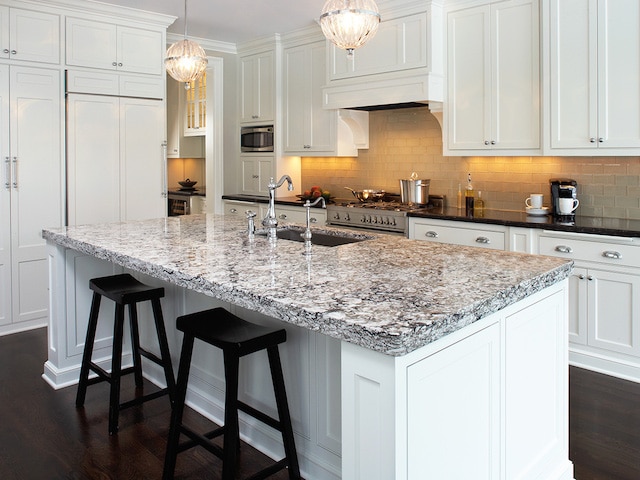
Laminate Countertops
Laminate countertops are a cost-effective option that comes in a variety of colors and patterns. They are relatively easy to maintain but can be prone to scratching and staining. To clean laminate countertops, use a mixture of mild dish soap and water. A sponge or soft cloth is ideal for cleaning without scratching the surface.
For tougher stains, a paste made from baking soda and water can be effective. Avoid using abrasive cleaners or scrubbing pads, as these can scratch the laminate. To prevent damage, use cutting boards and trivets, and avoid placing hot items directly on the surface.
Wood Countertops
Wood countertops add warmth and character to a kitchen but require regular maintenance to keep them looking their best. To clean wood countertops, use a mixture of mild dish soap and warm water. Wipe the surface with a soft cloth and dry it immediately to prevent water damage.
For stains, a mixture of baking soda and water can help lift the discoloration. It’s essential to regularly apply a food-safe mineral oil or butcher block conditioner to maintain the wood’s appearance and protect it from drying out. Avoid using harsh chemicals or soaking the wood, as this can lead to warping or damage.
General Tips for All Countertops
- Avoid Harsh Chemicals: Regardless of the countertop material, steer clear of harsh chemicals or abrasive cleaners. These can damage the surface and shorten its lifespan.
- Use Cutting Boards and Trivets: To protect your countertops, always use cutting boards when chopping or slicing food and trivets when placing hot pots and pans.
- Wipe Spills Immediately: Promptly clean up spills, especially acidic substances like lemon juice, vinegar, or wine, to prevent staining or damage.
- Regular Maintenance: Adhere to a regular cleaning and maintenance schedule to keep your countertops looking pristine and to extend their lifespan.
Conclusion
Understanding the unique needs of your countertop material is essential for maintaining both its functionality and aesthetic appeal. Whether you’re dealing with granite, marble, quartz, laminate, or wood, each type requires specific care and attention. By following these cleaning and maintenance tips, you can ensure that your countertops remain in excellent condition for years to come. A little bit of knowledge and effort goes a long way in preserving the beauty and durability of these important surfaces in your kitchen. If you want to find great tips and ideas about disinfecting quartz countertop, be sure to visit their page to learn more.
